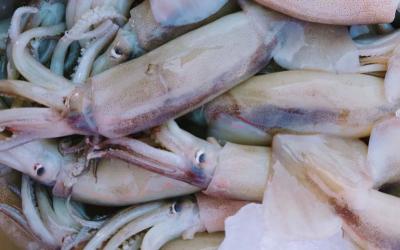
International Pressure Grows to Control Global Jumbo Squid Fishing and Trade
International pressure to strengthen the regulation of squid fishing and trade intensified in 2026 amid concerns over the expansion of China’s distant-water fleet, illegal fishing, labor abuses, and limited catch traceability.
In the South Pacific, environmental organizations called on the South Pacific Regional Fisheries Management Organization (SPRFMO), the intergovernmental body responsible for managing high-seas fisheries in the region, to establish precautionary catch limits, improve electronic monitoring, and strengthen controls over at-sea transshipment. The debate directly affects Peru, where giant flying squid is one of the country’s largest fisheries by volume and an important source of employment for the artisanal fishing sector.
Recently, Peru established stricter rules for Chinese-operated vessels seeking supplies at its ports, requiring them to use satellite tracking devices. China reacted by reaching an agreement with Chile instead.
At the same time, two advisory councils to the European Commission recommended stricter controls on squid imports, particularly products linked to China’s distant-water fleet. Their proposals include more frequent audits, stronger verification of catch certificates, wider use of the EU’s digital CATCH system, and the rejection of suspicious consignments.
Together, these initiatives reflect growing international demand to ensure that squid traded globally comes from legal, sustainable, traceable operations that comply with fishing and labor regulations.